
Meriel Tufnell: Trailblazing Rider and First Female to Win a Race Under Rules
In the modern era, horse racing is one of the few sports where males and females can compete on an even playing field. The sight of the two sexes locking horns in the same race is now commonplace around the world.
However, it wasn’t always this way. Despite the Jockey Club forming in 1750, women weren’t allowed to compete under the official rules of racing for over 200 years. When opening the door to female participation in 1972, the Jockey Club found a queue of ladies ready to show their skills at the track. Standing at the front of that queue was a Hampshire-based equine enthusiast by the name of Meriel Tufnell.
Becoming the first female to ride a winner under rules and Britain’s first female champion jockey, Meriel Tufnell set the template for the riding talents of the future. Her efforts paved the way for the likes of Holly Doyle, Hayley Turner, and Rachael Blackmore to light up racing’s biggest stages to such spectacular effect.
Who Was Meriel Tufnell?
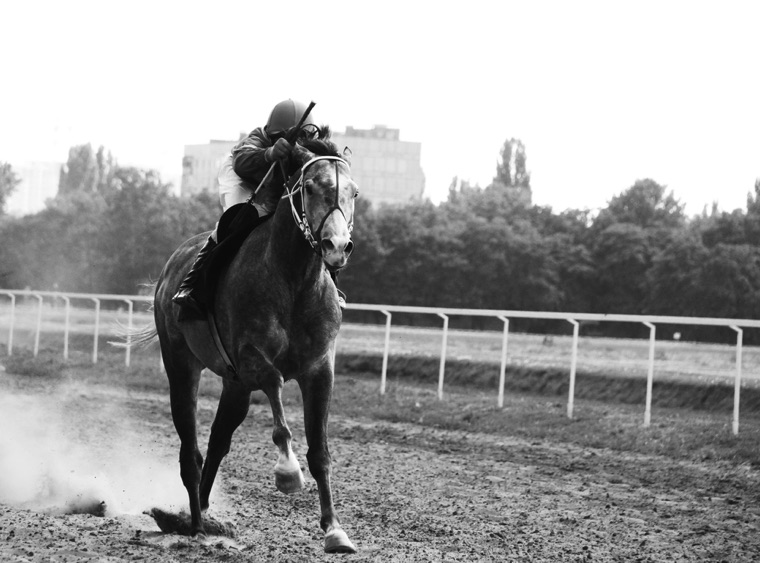
Born in Winchester on 12 December 1948, Meriel Tufnell had both a love of racing and a trailblazing nature in her bloodline. As a Naval officer, her father spent much of his time at sea. However, her mother, Patricia Tufnell, was a prominent pre-war point-to-point rider, while her grandmother, Sybil Tufnell, was the first woman in the UK to run a firm of estate agents.
Having been born with two dislocated hips and later suffering from childhood asthma, Meriel needed every ounce of the family determination to overcome those early setbacks. Triumphing in the face of adversity, a young Meriel was soon competing in gymkhanas and British Showjumping events, enjoying notable success aboard a pony named Higham Mignonette.
Held Back by Discriminatory Rules
By her early 20s, Meriel had developed into an accomplished rider, albeit one who’s ambitions were thwarted by the antiquated British racing regulations at the time. The situation appeared much more relaxed abroad. While holidaying in Sweden, Meriel witnessed an all-female horse race, leading her to dream that one day the same might be possible on British shores.
Before 1966, women were not allowed to train runners in an officially recognised race, let alone compete as a jockey. While permitted to ride horses, if women wished to race competitively, their only options were private members-only events or the point-to-point sphere.
Dream Realised at Kempton Park
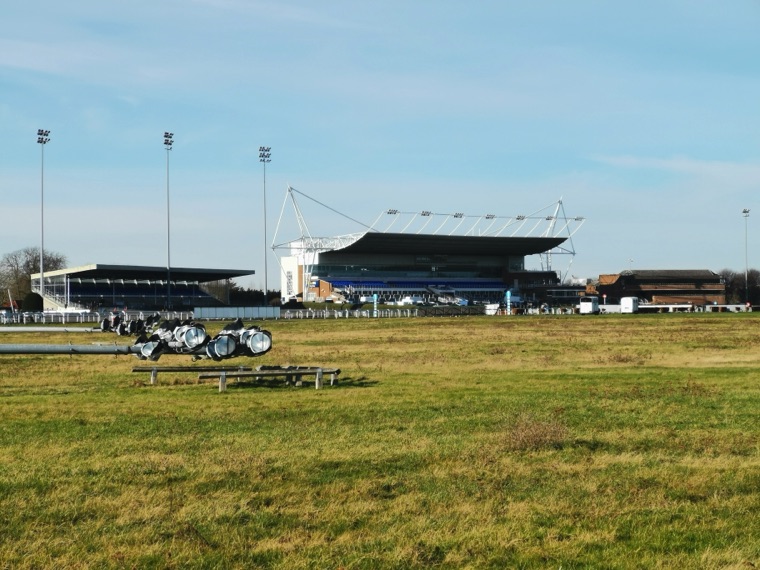
Kempton Park Racecourse (James Emmans, Wikipedia | CC BY-SA 2.0)

The first sign of a relaxation of the rules came on 3 August 1966, when the Jockey Club permitted women to hold a training licence for the first time. This decision came in the face of a strong campaign, and in the knowledge that many women were bending the rules to train while using their head lad’s name on the licence. Later that year, Norah Wilmott became the first female to officially train a winner in Britain.
However, it wasn’t until 1972 that female jockeys were given their break, when the Jockey Club launched a 12-race series restricted to apprentice female riders.
The Goya Stakes was the first of those contests, taking place on a rainy morning at Kempton Park on 6 May 1972 – the racing started early that day to avoid a clash with the FA Cup Final. Held over 1m1f, the “Goya” of the race title referred to the race sponsors, Goya Perfumes, an iconic British cosmetics and fragrance company.
Jumping at this new opportunity, Meriel Tufnell took her place in the 21-runner field. Her partner for the momentous occasion was a horse by the name of Scorched Earth, who, like Meriel, was making her debut under rules. Owned by Meriel’s mother and trained by Peter Bailey, the inexperienced challenger started as a 50/1 outsider.
Heeding the trainer’s advice to “get her out fast”, Meriel and Scorched Earth burst into the lead when the stalls opened. And despite the best efforts of the 20 pursuers, there the unheralded duo remained. 2½l clear at the line, a 23-year-old Meriel Tufnell and Scorched Earth had recorded a truly historic success.
Britain’s First Female Champion
Meriel continued to ride in the new lady jockey series throughout 1972, appearing in seven of the 12 contests and picking up additional wins aboard Scorched Earth at Folkestone, and on Hard Slipper at Newbury. That tally of three victories was enough to see Meriel crowned Britain’s first female champion jockey.
Returning to the saddle in 1973 and 1974, Meriel appeared in the first mixed-sex race at Nottingham in March 1974 and rode the talented Dynamic Dan to victory at Goodwood and Newbury. Having also taken her riding talents to Scandinavia, Germany, Italy, and Austria, Meriel retired at the end of the 1974 season, bringing an end to a short but memorable career.
Founder of the Lady Jockeys Association and Honoured by the Queen
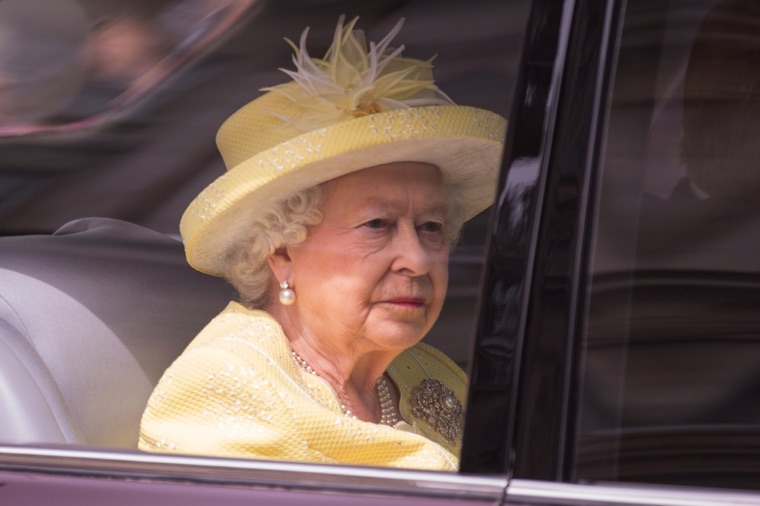
Queen Elizabeth II (Euan Cherry | Shutterstock)
At the peak of her riding powers, Meriel did her bit for the future of female jockeys when establishing the Lady Jockeys Association (LJA) at the end of the 1972 season. The first organisation of its type in the world, the LJA existed until 1995 when it amalgamated with the Amateur Riders Association. Meriel’s contribution to the sport was honoured when she received an MBE in the 1976 Birthday Honours List.
Following her retirement, Meriel remained involved with the sport. Setting up Grange Stud at Curdridge near Southampton, she had horses in training with Richard Rowe and Peter Hegder. The most successful of those runners, Montroe, won four consecutive hurdle races in 1998 and later struck over fences at Folkestone, Cheltenham, and Ascot.
Briefly engaged to trainer Patrick Haslam, Meriel married fellow handler Glenn Humphrey in 1983. Assisting her husband, Meriel helped prepare point-to-point and hunter chase performers until the couple separated in 1994.
Gone Too Soon But Forever Remembered in the Silk Series
Meriel became a strong supporter of children’s cancer charity Sparks in her later years, notably raising £4,000 for the organisation in a golf challenge which saw her complete 180 holes in 17 hours. Sadly, Meriel lost her own brave battle with cancer, passing away on 14 October 2002 at the age of just 53. Speaking following her death, long-time friend and legendary jockey John Francombe stated,
Meriel was always excellent company, and we’ve had a lot of fun over many, many years. She was a sparky character, never frightened to say what she thought of you. She’d been incredibly brave with her illness – she was diagnosed with cancer less than a year ago – and was an example to us all.
While gone, Meriel’s legacy lives on in the Silk Series. Launched in 2017, this female-only series of races is open to both amateur and professional riders. Earning points for finishing positions, the rider at the top of the table receives the Tufnell Trophy. Fittingly, a portion of all Silk Series ticket sales is donated to Cancer Research UK.
Copyright © 2026 | MH Purity WordPress Theme by MH Themes