
Going Racing Explained: The Going in Horse Racing, Firm to Heavy
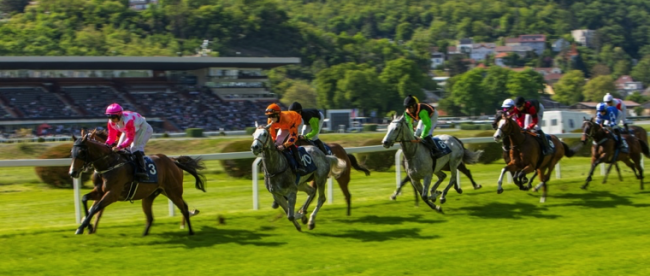
Rain, sun, and soil can change a race before it starts. Here’s what each going description means and why it matters.
Going to the races or trying to handicap them at home and wager through online casinos can be a lot like homework. Going racing and deciding what horse or horses to bet on can be challenging under perfect conditions.
Throw in weather or drying conditions on a dirt or turf surface can impact performance. It is important to put in the work to try and figure out who has the best chance to win or who might have a track that isn’t favorable to their liking.
What Is the Going in Horse Racing?
When going racing, fans and bettors need to understand the surface(s) that horses will be running over. There are different words that describe the conditions for the types of tracks, whether impacted by weather or even under sunny and fine conditions. It is essential to factor in track condition because you want to check out the past performances for horses over similar conditions.
How the Going Is Measured
Behind going reports is a simple tool, the GoingStick, pushed into the turf to test its firmness. The clerk of the course then announces the official going today. That is what will be one of the key barometers to use when handicapping different races and the horses in each.
From Firm to Heavy: Every Going Description
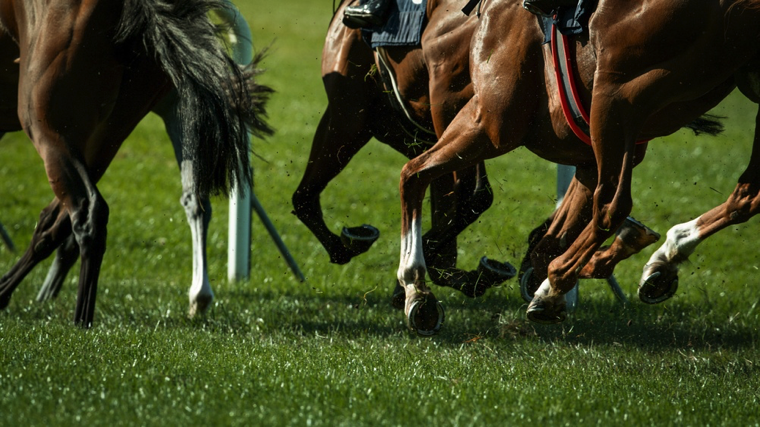
Horse racing conditions explained come in what amounts to six descriptions on turf events. These are specifically for races run on grass, not for anything over dirt or synthetic surfaces.
Firm means the turf is solid and has not been impacted by rain or other weather conditions; good to firm would be a track that is drying out and is on its way to top shape; good would be a track that is getting better but still impacted by moisture; good to soft would be the step below the previous one; soft and heavy means expect the track to be soggy and soaked and difficult to run over because it is such a bog.
All-weather tracks use “standard” and “slow in some cases.” There are others that will have you believe all-weather tracks are not impacted in the least by any sort of precipitation.
Soft and Heavy Going: When Stamina Wins
Wet ground turns a race into a test of strength. Races get slower, and horses with stamina and a strong action often come out on top. Soft horse racing is not making it easier for a horse. It makes the track deeper or harder to traverse. Heavy would be like trudging through mud or a deep surface for humans. Going horse conditions are critical to understanding how the entrants might perform.
Why the Going Changes Which Horse Wins
Some horses fly on fast ground when it comes to dirt tracks, while others only show their best in the mud. Hence, the term mudders. Fans check the going today and the latest going reports, and U.S. dirt tracks like Parx use their own terms: fast, muddy and sloppy. The fact that horses on dirt tracks might enjoy different conditions can be equated to turf runners on their surfaces.
When reading through past performances, you will be able to see how horses have performed on different courses. There are also explanations in the Daily Racing Form, for example, for how horses have done under wet conditions.
If you truly want to do a deep dive, look into the breeding aspect to see how the sires and mares did under different conditions. There are numerical assignments such as the Tomlinson Rating system, which gauge or prediction a horse’s affinity for running on specific conditions.
Either way, the best and most integrated option here for your horse racing activity is BetUS’s racebook. Be sure to take a gander!
FAQs
Charles HHuang, Shutterstock
Which going is best for a horse?
There is no actual bets going for a horse. Different horses like different track conditions whether on dirt or turf races. You can try and research the horse’s pedigree and can also look at their past performances to get an idea of whether they like that day’s surface.
Why do some horses run better on soft ground?
There can be many reasons for why horses run better on soft ground. It could be the kind of stride they exhibit, it could trace back to pedigree on their sire or maternal side’s history. It could be because of the shape or size of their hooves. The latter would take some serious expertise in trying to figure out when handicapping. It isn’t a recommended science unless you are a veterinarian.
What does “heavy ground” mean in horse racing?
Heavy ground is when the turf is soaked, saturated, full or water or drenched. It is a testing surface, hence the name “heavy.” In many cases in the USA, tracks will see a turf surface in such conditions and move the race to the dirt because the surface isn’t safe or secure to run over. If that happens, expect to see many turf specialists scratch. This leads to considerably shorter fields.